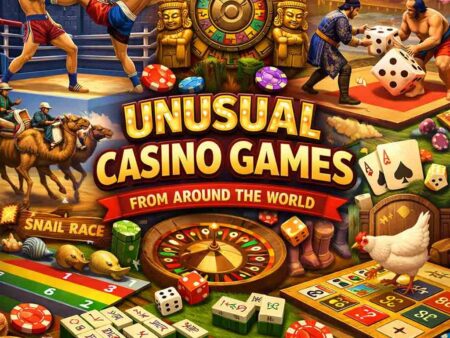


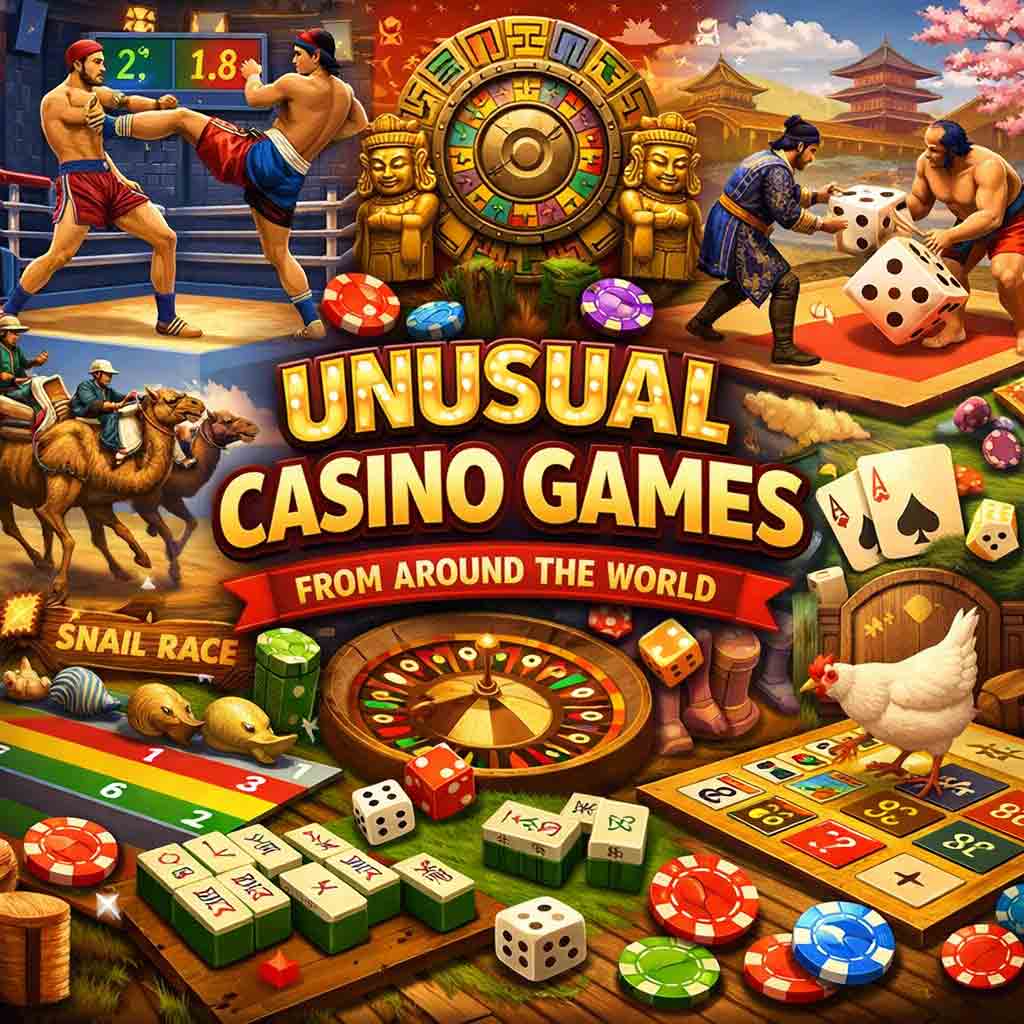
The world of online casinos is not limited to well-known games alone, as some games emerged in different markets and carry a distinct local character in both concept and presentation. This is why Unusual Casino Games stand out as a useful entry point for bettors in Kuwait who want to explore unfamiliar formats that have gained popularity beyond the traditional casino framework.
The Most Unusual Casino Games Around the World
When discussing Unusual Casino Games around the world, the differences between traditional Western casino titles and other games become very clear. Many of these games rely on simpler tools and rules, yet they reflect a distinct cultural identity. That is exactly what makes reviewing them useful, as it helps explain why they stand out and why they became popular in certain markets.
Pachinko — Japan
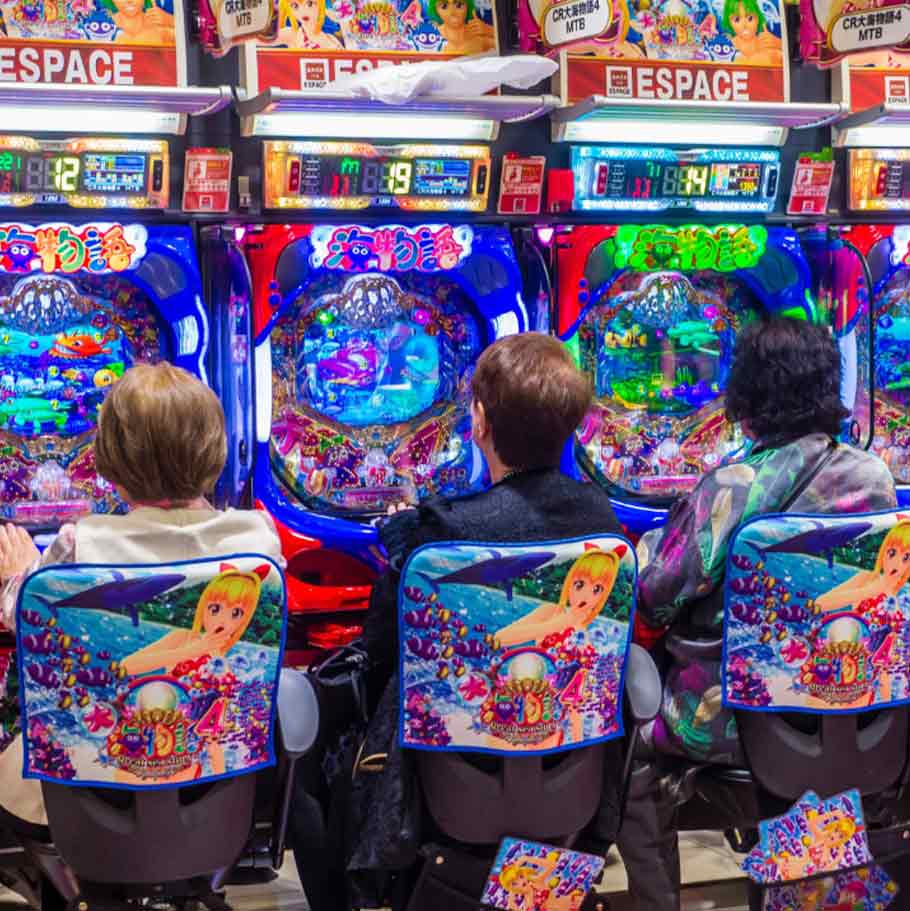
Pachinko is not just one of the Unusual Casino Games found around the world. It is a major cultural and economic phenomenon in Japan. Reports indicate that the pachinko industry sometimes generates annual revenue exceeding that of Las Vegas casinos. Although Japan imposes strict restrictions on casinos, pachinko parlors remain widespread across the country. The game is generally classified as a hybrid format, combining elements of slot machines and pinball.
The game is built around hundreds of small steel balls. The objective is to launch these balls into a machine filled with brass pins, where they bounce and weave their way through the obstacles before landing in one or more specific pockets that trigger a payout.
How the Game Works
At the beginning, the player buys a quantity of metal balls by inserting money into the machine.
On the right side of the machine, there is a circular handle. The player uses this handle to launch the metal balls by turning it, and this is where the real skill of the game lies. The handle must be turned with a certain amount of force based on the player’s experience. Once the right launch strength and angle are found, the hand can be held steady so the machine continues releasing the balls automatically and at high speed.
The balls then begin falling downward through a dense grid of brass pins. Most of them drop to the bottom and are lost. The real objective is to get some of the balls to fall into a small designated pocket in the middle of the machine known as the Start Hole.
When one or more metal balls fall into this central pocket, a large digital video screen in the middle of the machine is activated, much like a slot machine. The symbols on the screen start spinning, and if three matching symbols line up, the player wins the jackpot. At that point, the machine releases a large number of extra balls, which can then be exchanged either for credit to continue playing or for a prize from the rewards shop.
The Gambling Loophole in Japan
Japanese law, much like Kuwaiti law, prohibits direct gambling with real money. As a result, a clever and technically legal workaround was developed:
- Inside the parlor: the player does not receive winnings in cash at all. Instead, the winning balls are exchanged for physical prizes, such as a toy, chocolate, a pen, or similar items.
- Outside the parlor: next to almost every pachinko venue, there is a small independent booth that is not officially connected to the parlor. Players go there and sell these prizes in exchange for real money.
Later, a third party buys those prizes from the independent booth and sells them back to the pachinko parlor, allowing the cycle to start again. In this way, the gaming venue never hands cash directly to the player, which keeps the system within legal boundaries.
Fan Tan
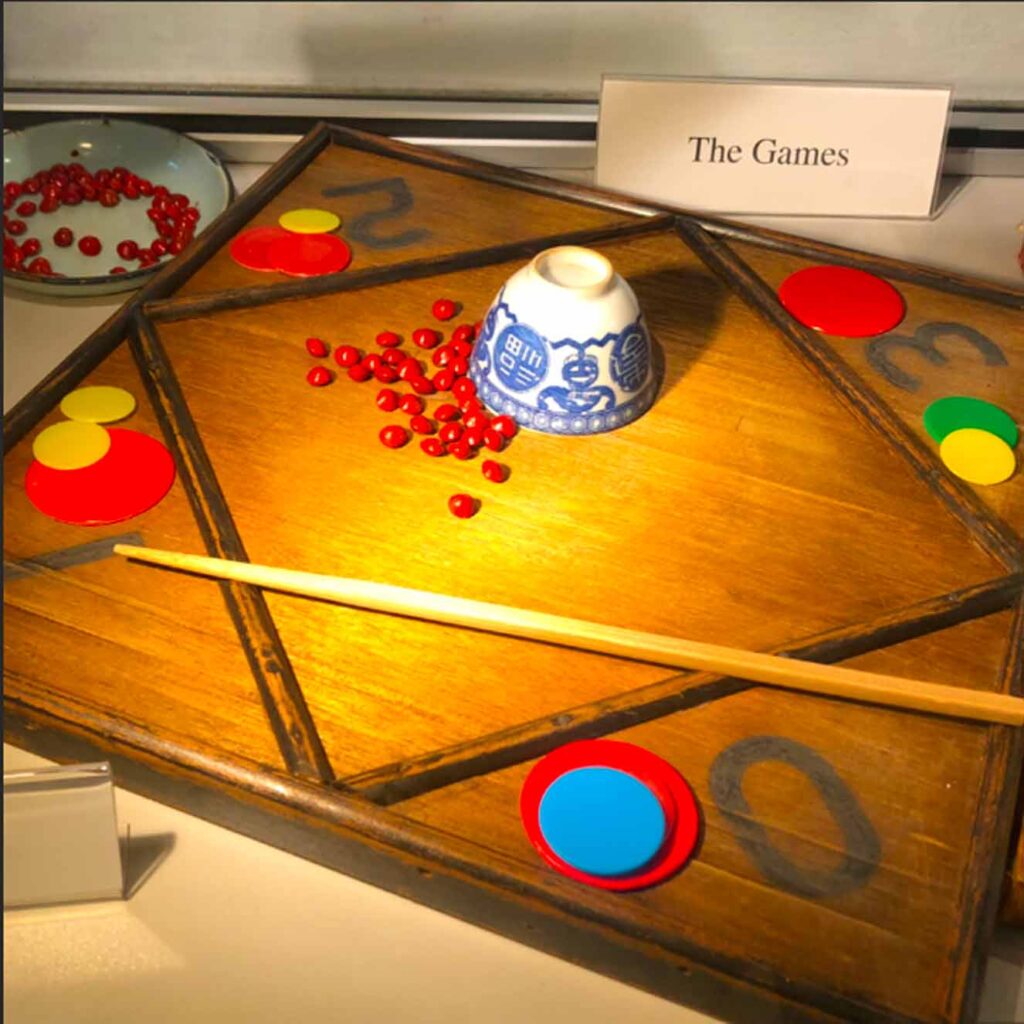
Fan Tan can be seen as a living piece of casino history. What gives this game its appeal is its unusual contrast: it is slow, quiet, and almost meditative, set against a casino environment that is usually defined by speed and noise. That contrast is exactly what can make it one of the more Unusual Casino Games today.
It is a very old game that originated in China more than 2,000 years ago. It is still popular in Macau casinos and on online gaming platforms, and it has become a symbol of the classic Asian casino scene. Below is a closer look at this long-standing game and how it made the journey from the old streets of China to luxurious casino tables.
Tools Used
Unlike complex roulette tables or technology-heavy slot machines, Fan Tan relies on very simple tools that reflect its historical roots:
- Beads: a large number of small white buttons or beads.
- Tan Yin (Cup): a metal cover or a bamboo cup used to cover and isolate a random group of beads.
- Sorting Stick: a small bamboo or wooden stick that the dealer uses skillfully to separate the beads.
How a Round Progresses Step by Step
The flow of the game is extremely calm, and it usually unfolds as follows:
- Isolation: the dealer takes the cup and places it over a random portion of the large pile of beads in the center of the table, then moves the covered section aside.
- Betting: the beads hidden under the cup now become the focus of the game. Players are given time to place their bets on the table, predicting how many beads will remain at the end.
- Sorting (Counting): once betting is closed, the dealer lifts the cup and begins using the wooden stick to separate and remove the beads in groups of four at a time.
- Result: the dealer continues removing the beads four by four until only the final group remains. This last group will consist of either one bead, two, three, or four. That remaining number is the winning result.
Fan Tan in Live Casinos
Many Kuwaiti bettors may assume that a game based on the slow counting of beads would fade away in the age of speed, but the opposite is true. In addition to its presence in VIP rooms in Macau, live casino game developers such as Evolution Gaming have revived the game and brought it into the world of online casinos through the Live Casino format.
In the live casino version, the game is streamed from a studio designed in a luxurious Asian style, with real dealers sorting the beads in front of high-definition cameras. This has allowed millions of players around the world to experience this classic Asian heritage from their own homes.
Two-Up
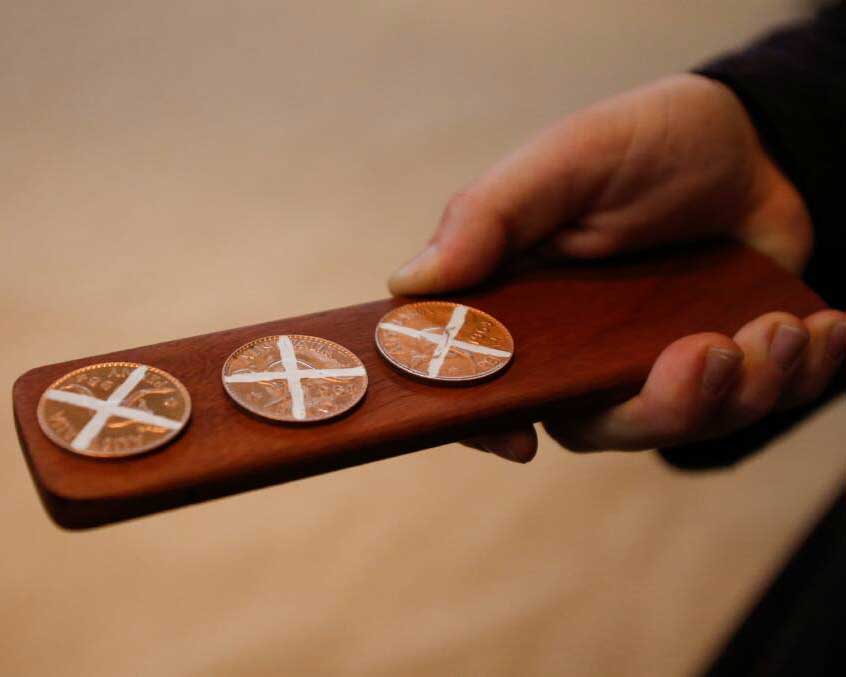
Two-Up is not only one of the Unusual Casino Games, but also an integral part of Australian national identity and military history. It is regarded as the only game in the world to hold this level of national significance in Australia.
Historical Roots
The game began to spread widely among Australian soldiers during the First World War, serving as a simple way to pass the time in the trenches. It required nothing more than two coins and a piece of wood.
Today, however, the game is considered illegal in Australia on ordinary days outside licensed casinos. That ban is lifted only once a year, specifically on April 25, which is ANZAC Day, the national day of remembrance for Australian and New Zealand soldiers. On that day, pubs and clubs across Australia fill up with loud and lively Two-Up circles.
Game Equipment and Terminology
The game is defined by its classic equipment, which has remained largely unchanged for more than a century, as well as by its own distinctive terminology.
- The Pennies: Two large coins must be used, usually old Australian or British coins from the pre-decimal era, because their weight and size make them easier to see. One side, Heads, is polished so it appears shiny, while the other side, Tails, is left darker for easier identification.
- The Kip: A small, flat wooden paddle on which the two coins are placed before being tossed.
- The Spinner: The player who stands in the middle of the ring and tosses the coins.
- The Ringie: The referee or person responsible for managing the game, verifying that the tosses are valid, and announcing the results.
How the Game Works
The game is highly social and extremely loud, which may appeal to some bettors in Kuwait. It usually unfolds as follows:
- Forming the ring: the players stand in a large circle, known as the Ring.
- Placing side bets: the players do not bet against the casino or the house. Instead, they bet against one another. For example, one player may shout, “I’ll bet 50 dollars on heads,” and another player in the circle responds, “I’ll take that bet.”
- A valid toss: the Spinner steps into the middle and places the two coins on the Kip. The coins must then be tossed into the air high enough to rise above head level, spin clearly while airborne, and land within the boundaries of the ring. If that does not happen, the official calls out “Foul Toss”, and the throw must be repeated.
The Smart Adaptation in Modern Casinos
Casinos are known to favor fast-paced games that are not frequently interrupted by ties, so a very clever modification was introduced to Two-Up in modern casino settings: using three coins instead of two.
The reason is simple. When three coins are tossed, a tie becomes mathematically impossible. The result will either be two heads and one tail, which is counted as Heads, or two tails and one head, which is counted as Tails, or in some cases three heads or three tails.
This small adjustment made the game much faster and better suited to the rapid pace of modern casinos, while still preserving the spirit of the original game.
Hoo Hey How
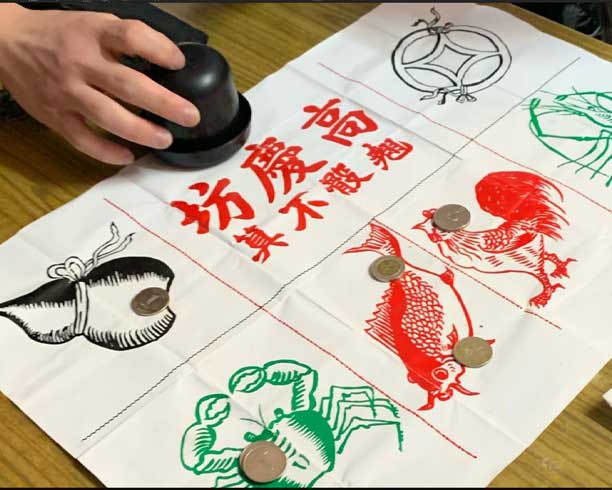
Hoo Hey How is the more playful version of dice games in Asian casinos. The game is built around pictures and symbols associated with luck, and it is widely regarded as a festive game, especially during Chinese New Year celebrations.
The game is known by several names depending on the region. In Vietnam, it is called Bầu cua cá cọp, while in Western and live casino settings it is more commonly known as Fish-Prawn-Crab, which is one reason it stands out among Unusual Casino Games. Below are the main details of this game for Kuwaiti bettors who are keen to learn more about casino culture around the world.
Symbols Instead of Numbers
The name of the game comes from the Chinese Hokkien dialect and literally means fish, prawn, and crab. The game uses three dice, but instead of traditional numbered faces from 1 to 6, each side of the dice carries a specific picture. The six symbols used in the traditional version of the game are:
- Fish: symbolizes abundance.
- Prawn: symbolizes vitality and happiness.
- Crab: symbolizes status and strength.
- Rooster: symbolizes precision and discipline.
- Gourd: symbolizes health and longevity.
- Tiger: symbolizes courage and power. In some Chinese versions, it is replaced with a coin symbol representing wealth.
Game Equipment
The equipment is extremely simple and designed to be visual and appealing:
- The Board: a large betting layout printed with the six symbols in a clear and highly visible format. Players place their chips on the image they expect to appear.
- Three Dice: each die features the same six symbols.
- The Shaker: an opaque container, usually made of porcelain or wood, covered with a lid so the dice can be shaken without anyone seeing the result.
How the Game Works
The game is fast and easy to follow, and it does not require any complex calculation skills, which makes it especially accessible for those interested in trying it in Kuwait:
- Placing bets: players place their bets on the board by choosing one or more symbols they believe will appear after the dice are shaken.
- The concealed shake: the dealer places the three dice into the shaker, closes it tightly, then shakes it firmly for a few seconds before setting it down upside down on the table.
- The reveal: the dealer slowly lifts the cover as players wait for the three symbols shown on the upper faces of the dice to be revealed.
The Move to Online Casinos
This game did not remain confined to Asian street culture. It was adopted by major live casino developers such as SA Gaming and Playtech. In online casinos, it is usually offered under the names Fish Prawn Crab or Color Sic Bo, and it is played in live studios with real dealers dressed in traditional Asian attire.
Some versions have also introduced illuminated electronic dice technology, where the board automatically lights up the winning symbols to improve visibility and give this classic game a more modern presentation. This transition helped secure its place among today’s Unusual Casino Games.
Variety in Games Reflects Differences Between Markets
In the end, Unusual Casino Games show that the world of online casinos is far broader than the familiar traditional titles. These games do not simply offer different ways to play, but also reflect the uniqueness of each market and the way it developed over time. That naturally raises an interesting question: were there ever similar games in Kuwait in the past?